
Emerging Trends in Vibe Marketing: What Businesses Need to Know
CG
Understanding Vibe Marketing
Vibe marketing is gaining traction as businesses look to connect with their audience on a more emotional and experiential level. This approach focuses on creating an atmosphere or "vibe" that resonates with customers, going beyond traditional selling points like price or features.
In today's digital age, where consumers are bombarded with information, creating a memorable vibe can set a brand apart from the competition. It's about crafting an experience that lingers in the minds of the audience and drives engagement.

The Rise of Experiential Marketing
Experiential marketing is a key component of vibe marketing, emphasizing live events and immersive experiences. Brands are designing events that allow customers to interact directly with products and services, creating lasting memories.
For example, pop-up shops and interactive installations are becoming popular ways for companies to engage with their audience. These experiences often encourage social sharing, amplifying brand reach beyond the event itself.
Emotional Connection
At the heart of vibe marketing is the establishment of an emotional connection. Brands are increasingly using storytelling and personalized content to build relationships with consumers. This strategy helps to humanize brands, making them more relatable and trustworthy.
By tapping into emotions, businesses can foster loyalty and encourage customers to become advocates for the brand. This emotional bond can often translate into increased customer retention and lifetime value.
The Role of Technology
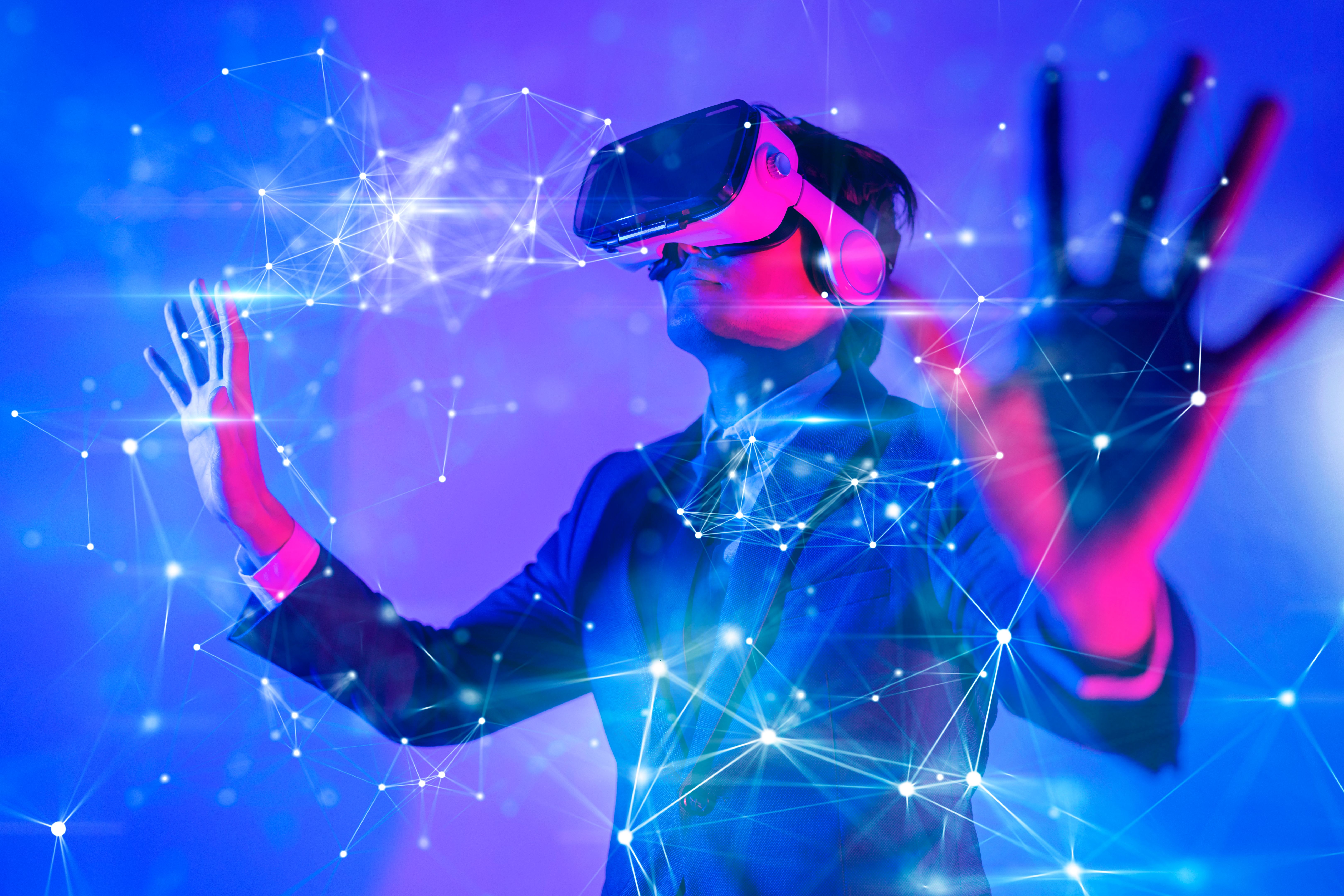
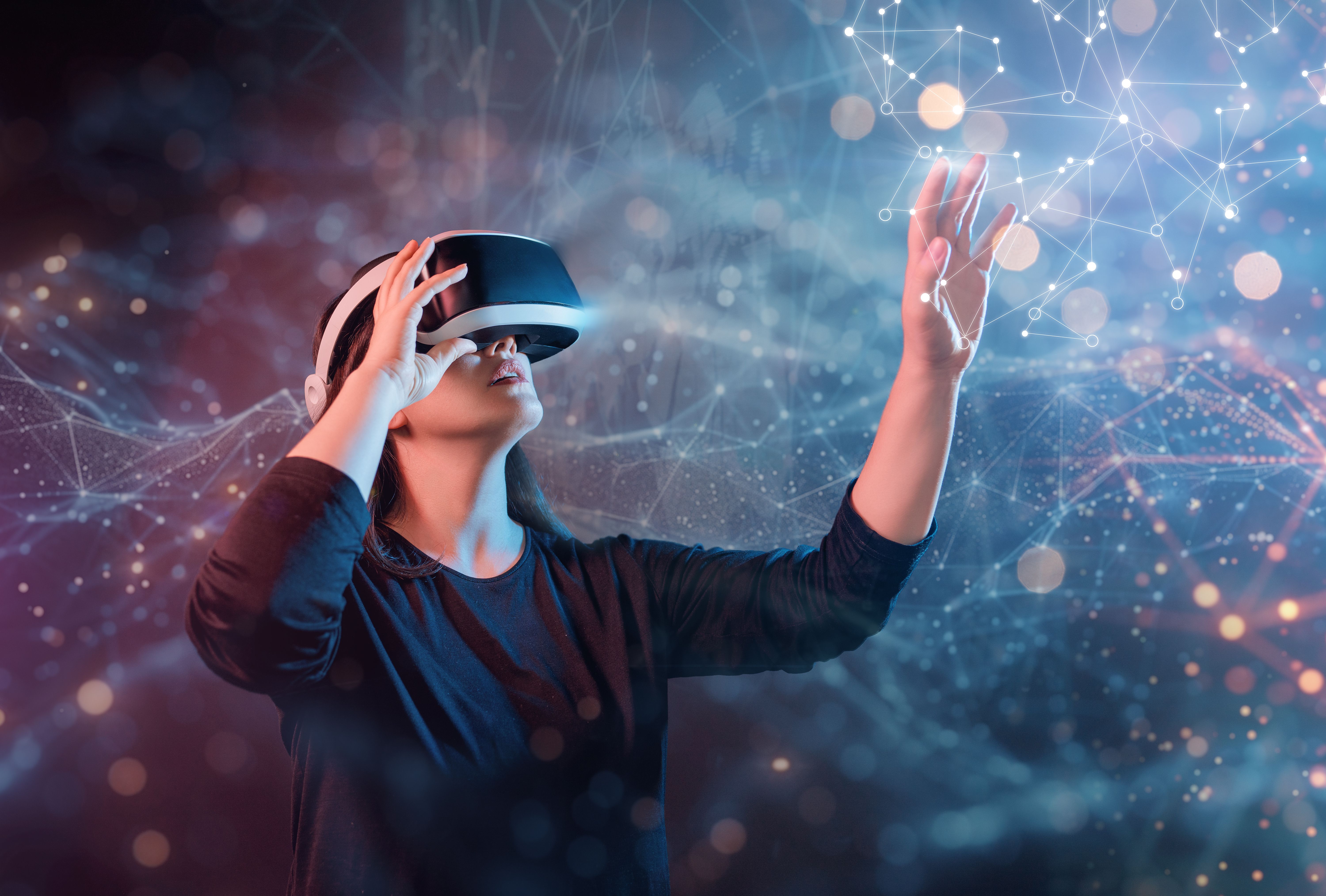
Technology plays a crucial role in vibe marketing, offering tools to enhance customer experience. Augmented reality (AR) and virtual reality (VR) are being used to create immersive environments that captivate audiences.
Additionally, data analytics enable businesses to better understand customer preferences, allowing for more tailored and relevant experiences. This data-driven approach ensures that the vibe created aligns with the audience's desires and expectations.
Influencer Collaborations
Influencers are vital in vibe marketing, as they can help brands reach niche audiences in authentic ways. Collaborating with influencers allows businesses to leverage their credibility and existing relationships with followers.
When done right, these partnerships can amplify a brand's message and create a buzz that resonates with the target audience. It's essential for brands to choose influencers whose values align with their own to ensure authenticity.
Sustainability and Social Responsibility
Consumers today are increasingly conscious of sustainability and social issues. Vibe marketing incorporates these values by promoting eco-friendly practices and supporting social causes.
Brands that successfully integrate these elements into their marketing strategies can enhance their appeal and resonate with ethically-minded consumers. This approach not only enhances brand image but also contributes to a positive impact on society.

Conclusion
Vibe marketing is an evolving field that requires businesses to stay adaptable and innovative. By focusing on creating meaningful experiences and emotional connections, companies can strengthen their brand presence and foster loyal communities.
As trends continue to shift, embracing technologies and aligning with consumer values will be crucial for businesses looking to leverage vibe marketing effectively. Staying ahead of these trends will ensure that brands remain relevant and engaging in an ever-changing marketplace.